Natural vs Dutch-Process Cocoa
Van Houten's press and baking chemistry. Cocoa powder exists thanks to Van Houten's 1828 press. The difference between natural and Dutch-process cocoa, and which to use for baking.
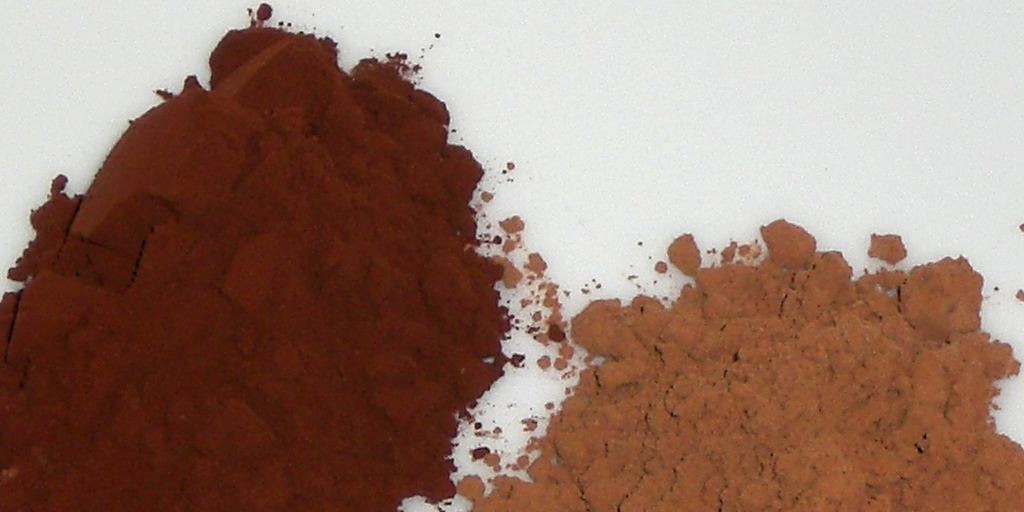
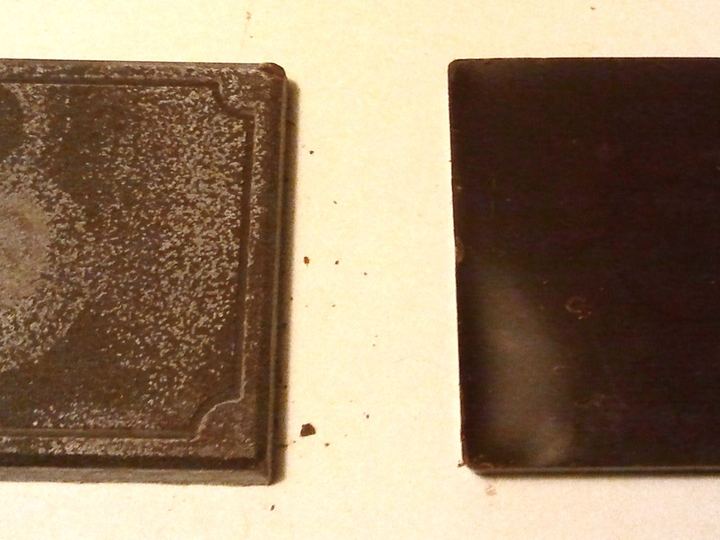
Natural (lighter) and Dutch-process (darker) cocoa: F_A, CC BY 2.0
Separating butter from powder
Ground cacao nibs make a thick paste called cocoa liquor or cocoa mass, which is more than half fat. In 1828 Coenraad Johannes van Houten in Amsterdam patented a hydraulic press that squeezed out most of this fat, the cocoa butter, leaving a cake that could be ground into cocoa powder. The invention made chocolate drinks lighter, cheaper and easier to mix, and the extra cocoa butter later made solid chocolate bars possible.
Dutching
Van Houten also treated cocoa with alkaline salts, a process now called Dutching. It neutralises cocoa's natural acidity, darkens the colour from reddish brown to deep brown or almost black and gives a smoother, milder flavour. Dutch-process cocoa mixes more easily into liquids, which is one reason it is popular for hot drinks.
Why it matters in baking
Natural cocoa is acidic, so recipes often pair it with baking soda, an alkali that reacts with acid to produce carbon dioxide bubbles and lift. Dutch-process cocoa is not acidic, so it is usually paired with baking powder, which contains its own acid. Swapping one for the other without adjusting the leavening can make cakes dense or soapy tasting.
If a recipe just says cocoa, older American recipes usually mean natural cocoa, while many European recipes mean Dutch-process.
Choosing and storing
Natural cocoa gives a brighter, fruitier chocolate flavour in brownies and devil's food cake. Dutch-process gives a deeper colour and mellow taste in hot chocolate, ice cream and European cakes. Store cocoa in an airtight container away from heat and moisture; it keeps for a long time but slowly loses aroma.
Quick swap guide
If a recipe calls for Dutch-process cocoa and you only have natural, you can often swap it in recipes that use baking powder, though the colour will be lighter and the flavour sharper. Going the other way, replacing natural cocoa with Dutch in a recipe that relies on baking soda, can leave the bake flat. When in doubt, follow the recipe or look for one written for the cocoa you have.
Did you know? Black cocoa, a heavily alkalised powder, gives sandwich cookies their almost black colour.
- Natural (lighter) and Dutch-process (darker) cocoa: F_A, CC BY 2.0
Text written by Chocolate Era.
← Conching: How Chocolate Got SmoothWhy Chocolate Turns White: Bloom →