Chocolate and Health: What Science Says
Flavanols, caffeine, sugar and balance. Is dark chocolate good for you? What cocoa flavanols are, what studies show, how much caffeine chocolate has, and why moderation matters.
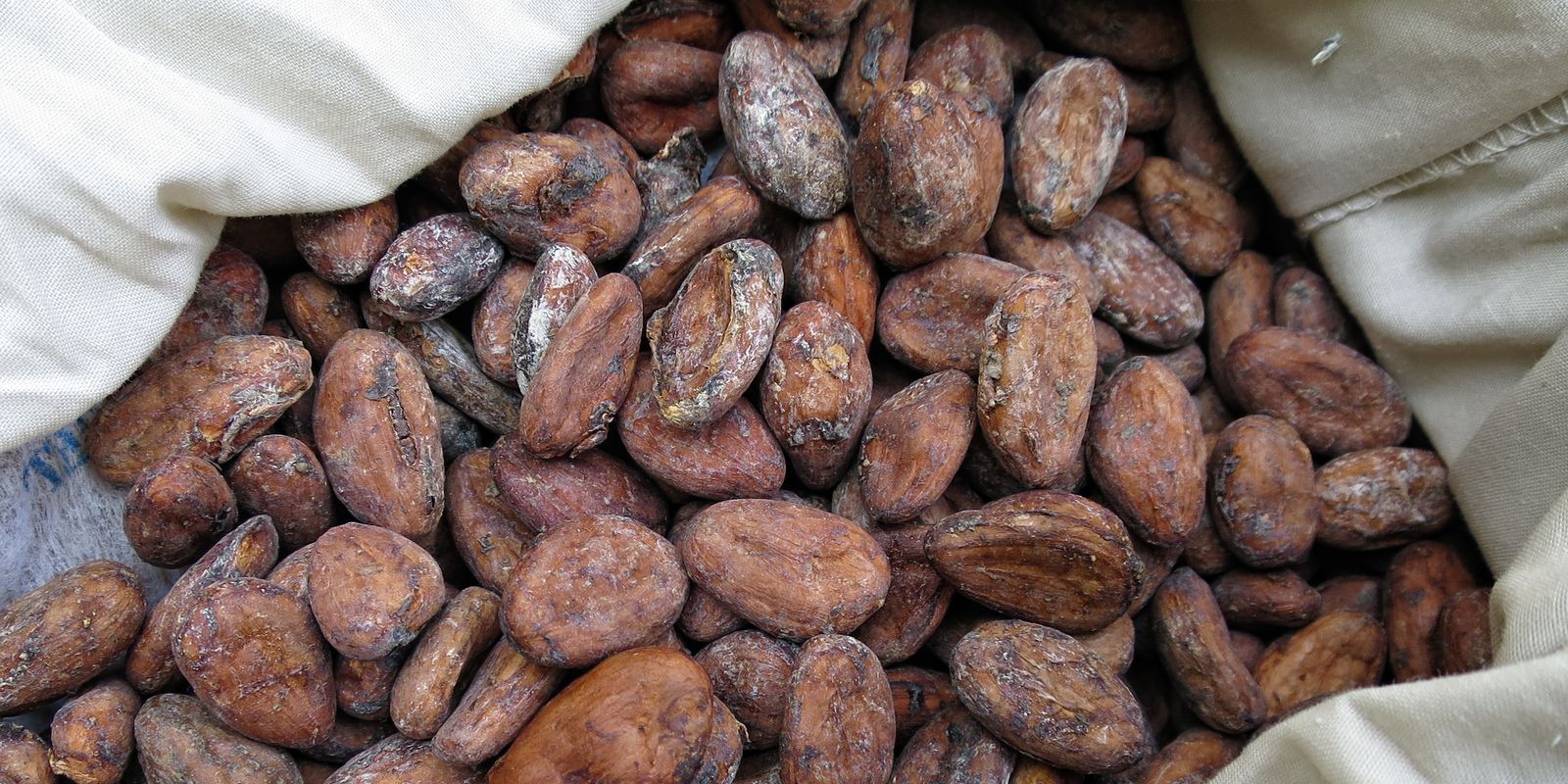
Cocoa beans: Mikkel Houmøller, CC BY-SA 4.0
Flavanols
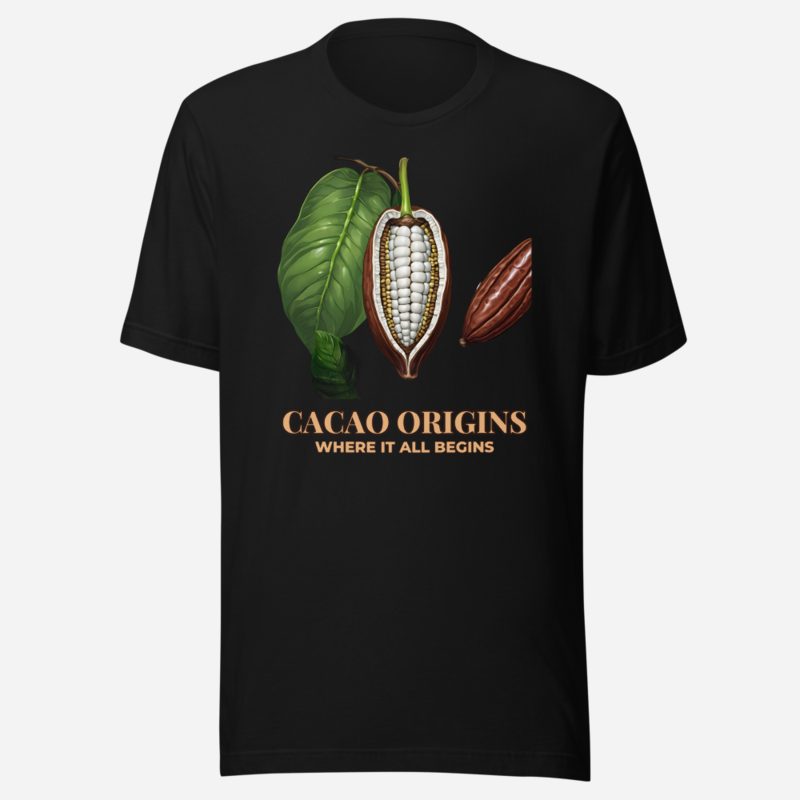
Cocoa beans are rich in flavanols, plant compounds also found in tea, apples and berries. Studies have linked cocoa flavanols with better blood vessel function, and in 2012 the European Food Safety Authority accepted a health claim that 200 mg of cocoa flavanols a day helps maintain the elasticity of blood vessels. That amount is found in specially processed cocoa extracts, not reliably in ordinary chocolate bars.
Not a health food
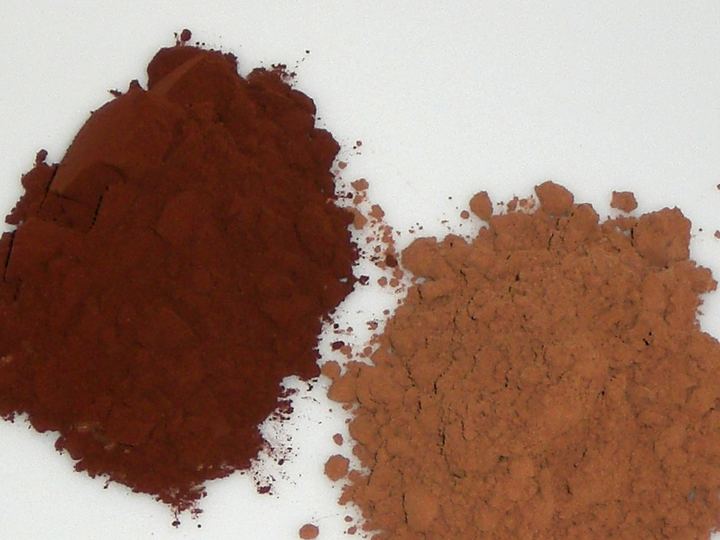
Fermenting, roasting and alkalising cocoa reduce flavanol levels, and chocolate bars also contain fat and sugar. Dark chocolate generally has more cocoa and less sugar than milk chocolate, but a 100 g bar can still contain well over 500 calories. Large studies have not shown that eating chocolate prevents disease, so health experts suggest enjoying it as a treat in moderation.
Caffeine and theobromine
Chocolate contains theobromine, a mild stimulant related to caffeine, and small amounts of caffeine. Darker chocolate has more of both. A typical square of dark chocolate has far less caffeine than a cup of coffee, but a large bar eaten late at night may affect sleep in sensitive people.
Theobromine is toxic to dogs and cats, which break it down slowly. Dark and baking chocolate are the most dangerous, so keep chocolate out of pets' reach.
Metals in dark chocolate
Tests by consumer groups in recent years have found small amounts of lead and cadmium in some dark chocolate, absorbed from soil or picked up during processing. Levels vary widely by brand. Experts advise eating a variety of foods, choosing brands that publish testing results, and being more careful with children and pregnant people.
The bottom line
Chocolate can be part of a balanced diet, and dark chocolate with a high cocoa content offers more flavanols and less sugar than milk chocolate. But it is still a treat. Enjoy a few squares slowly, choose bars you really love, and keep portions small. People with specific health conditions should ask a doctor or dietitian for personal advice. This page is general information, not medical advice.
- Cocoa beans: Mikkel Houmøller, CC BY-SA 4.0
Text written by Chocolate Era.