Milk, Dark and White Chocolate
What really separates the big three. Dark, milk and white chocolate differ in cocoa solids, cocoa butter and milk. What the rules say, how each tastes and what the cocoa percentage means.
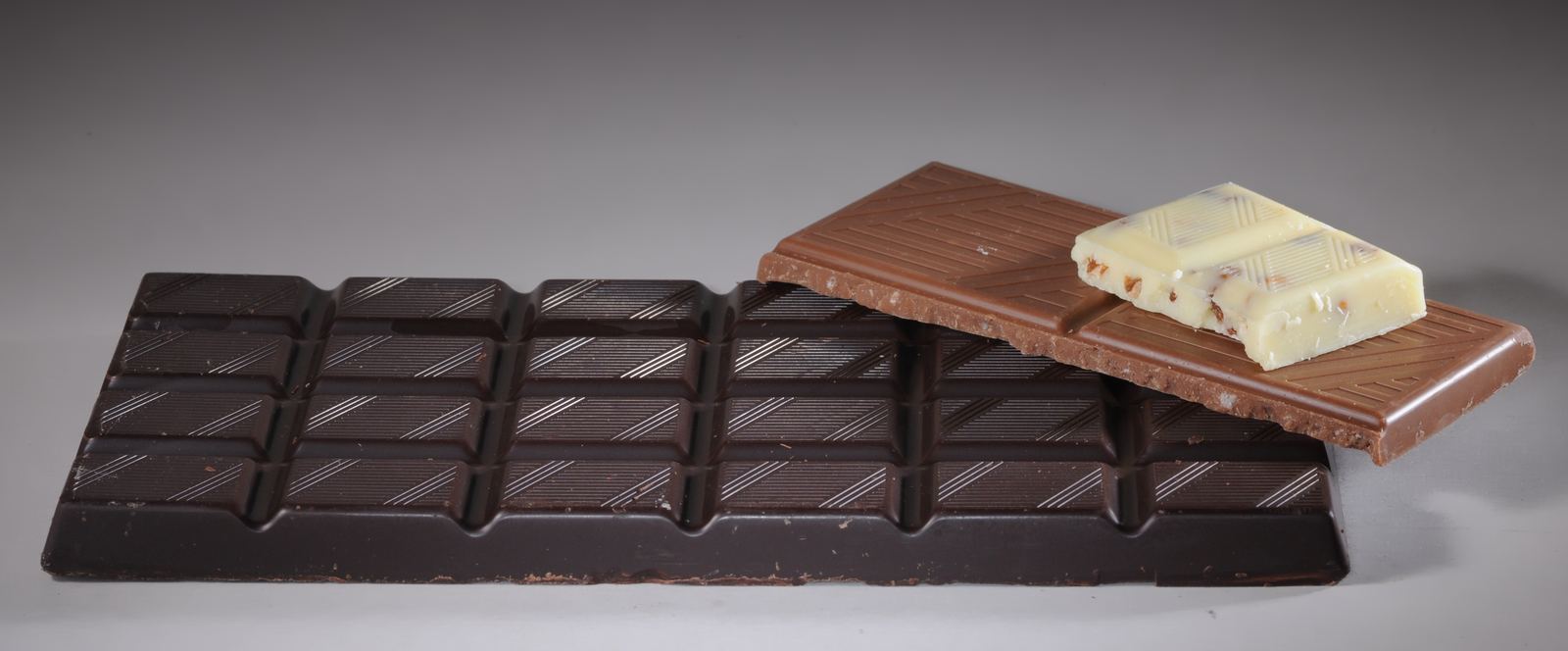
Dark, milk and white: Simon A. Eugster, CC BY-SA 3.0
Dark chocolate
Dark chocolate is made from chocolate liquor, sugar and extra cocoa butter, with no milk solids. In the European Union it must contain at least 35 percent total dry cocoa solids. The United States has no official dark chocolate category, but semisweet and bittersweet chocolate must contain at least 35 percent chocolate liquor.
A higher cocoa percentage usually means less sugar and a stronger, more bitter taste, but bean origin, roasting and conching matter just as much. Baking bars often run from 70 to 100 percent cocoa.
Milk chocolate
Milk chocolate adds milk, usually as powder, condensed milk or a dried mix of milk, sugar and cocoa called chocolate crumb. In the United States it needs at least 10 percent chocolate liquor, although some premium milk bars go far higher. The milk softens bitterness and gives a creamy, caramel-like taste.
Differences between famous milk chocolates often come down to how the milk is handled. Crumb, for example, gives a slightly cooked, toffee note, while powder gives a fresher, milkier flavour.
White chocolate
White chocolate contains cocoa butter, sugar and milk, but none of the dark cocoa solids. That is why it is ivory coloured and tastes of milk and vanilla rather than cocoa. Since 2004, US rules have required at least 20 percent cocoa butter, 3.5 percent milk fat and 14 percent milk solids, with sweeteners capped at 55 percent.
The Swiss company Nestlé first sold white chocolate as a commercial bar in 1936. Products that swap cocoa butter for other fats cannot be called white chocolate in the US and are sold as coatings instead.
A note on health claims
Cocoa contains flavanols that researchers have studied for years. A 2017 review found moderate quality evidence that flavanol-rich cocoa products may lower blood pressure slightly, by around 2 mmHg, in the short term in mainly healthy adults. Reaching those doses through chocolate also means a lot of sugar and fat, so chocolate is best enjoyed as a treat, not a medicine.
Dark chocolate has much more theobromine than milk chocolate, which is why even small amounts are dangerous for dogs and cats. Keep every kind out of reach of pets.
- Dark, milk and white: Simon A. Eugster, CC BY-SA 3.0
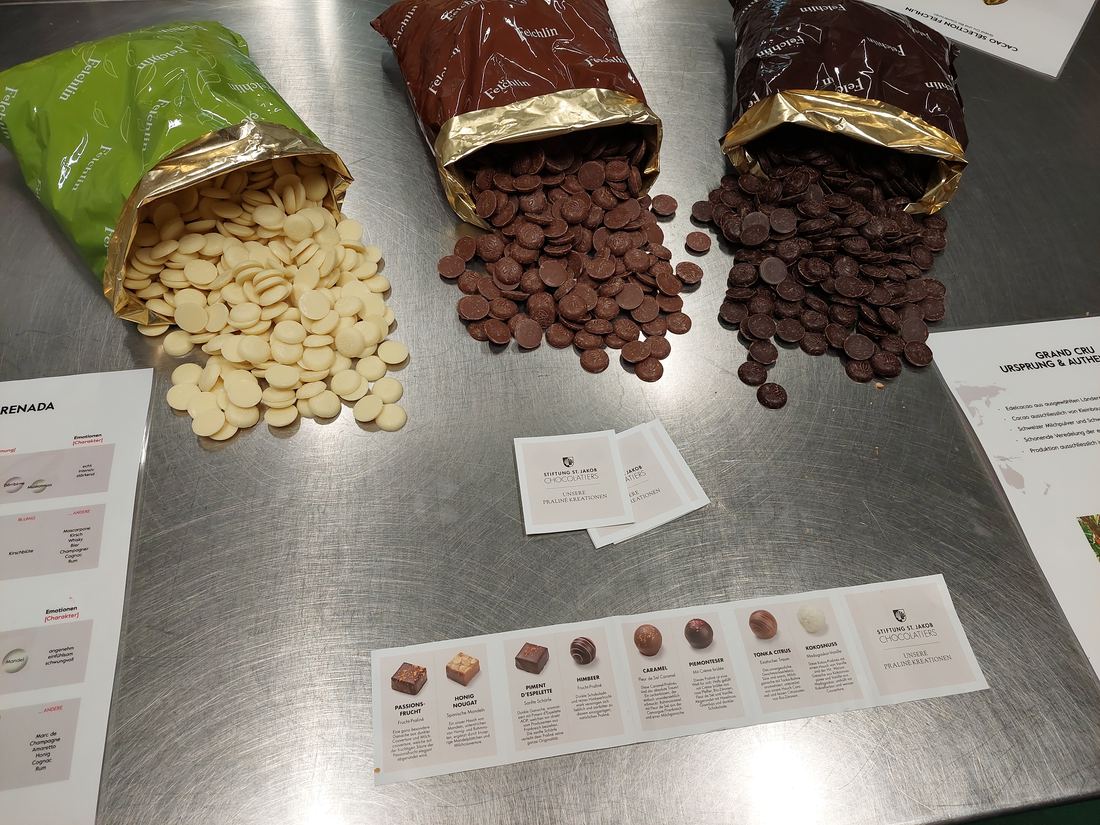
- Chocolate drops for baking: RudolfSchreier, CC0
Text written by Chocolate Era.
← Bean to Bar: How Chocolate Is MadeThe Science of Tempering →