Ruby Chocolate
The fourth type, naturally pink. Ruby chocolate, launched in 2017, gets its pink colour and berry-like tartness from specially processed cacao, not fruit or dye. How it works.
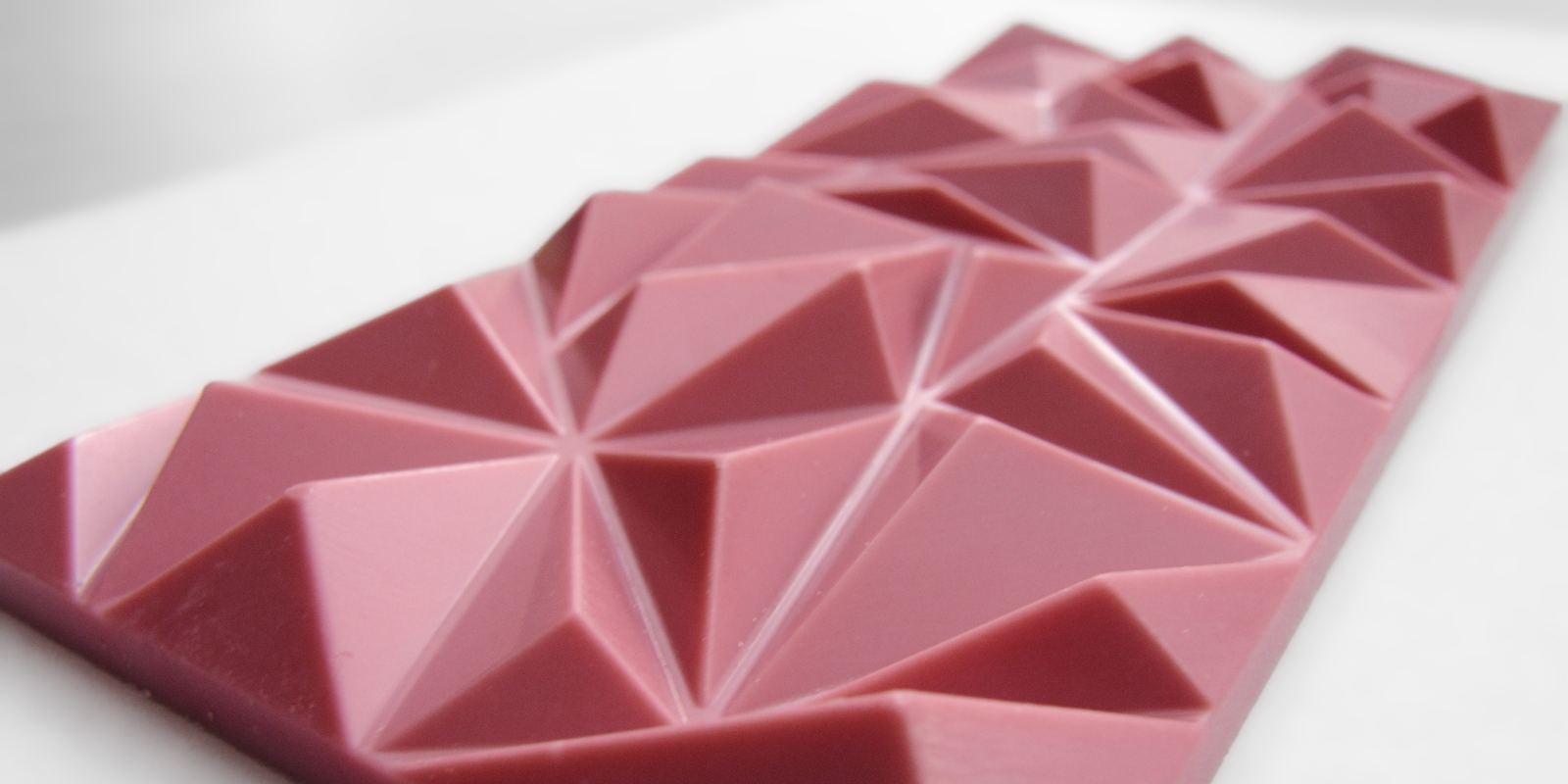
Ruby chocolate: Zacharie Grossen, CC BY-SA 4.0
A new colour after 80 years
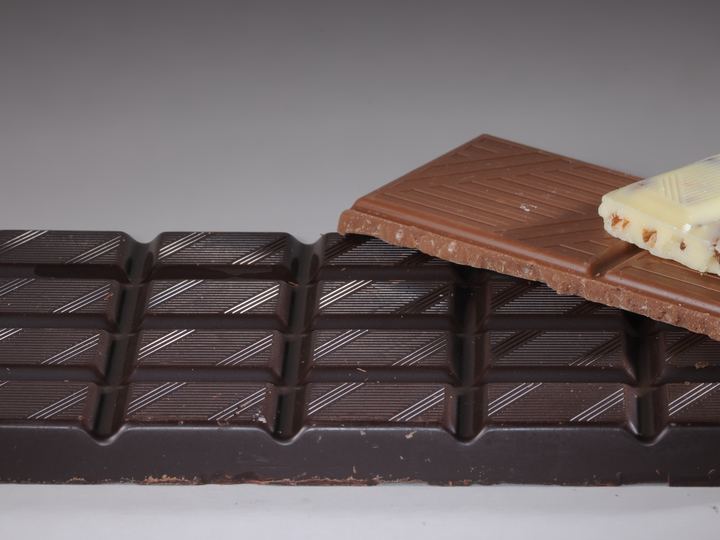
For most of the 20th century there were three main kinds of chocolate: dark, milk and white, the last introduced commercially in the 1930s. In September 2017 the chocolate maker Barry Callebaut presented a fourth, ruby chocolate, at an event in Shanghai. It is naturally pink and tastes fruity and slightly sour, with no berries or colourings added.
The company spent years developing it, and the exact process is a trade secret.
Where the pink comes from
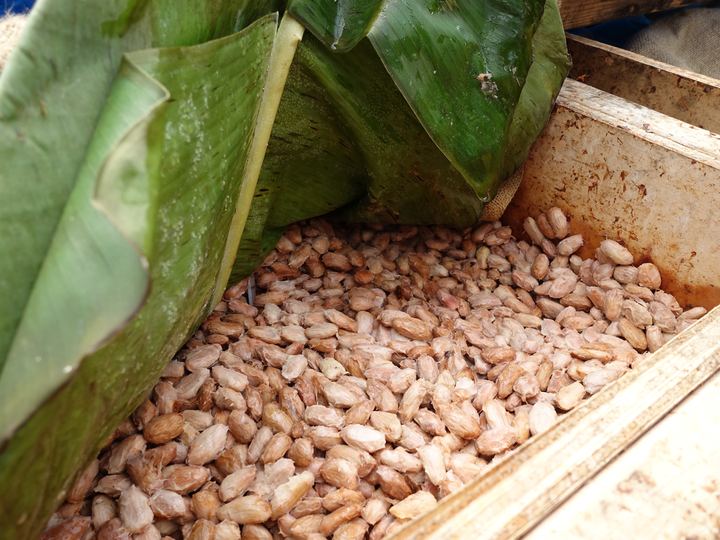
According to Barry Callebaut, ruby chocolate is made from cacao beans with particular natural compounds, sourced from countries such as Ecuador, Brazil and Ivory Coast. Special processing preserves the pink-red colour and berry-like flavour precursors that normal fermentation and roasting would turn brown. Food scientists have suggested it involves using less fermented beans, but the company has not published full details.
Labelling rules
Because it is new, ruby chocolate had to fit into existing food laws. In the EU it meets the standards for chocolate. In the United States, the FDA allowed it to be sold under a temporary marketing permit while a formal standard was considered. Products may be labelled ruby chocolate or ruby cocoa depending on the country.
Using ruby chocolate
Ruby melts like milk chocolate and is best tempered at slightly lower temperatures than dark chocolate. Its colour fades if exposed to light or heat for too long, so store it wrapped in a cool, dark cupboard. It pairs well with raspberries, pistachios, matcha and white chocolate, and makes eye-catching drizzles on desserts.
Light and air can also dull its fruity notes, so buy small amounts and use them while fresh.
How to taste it
Let a small piece melt slowly on your tongue rather than chewing. Most tasters notice red berry tartness first, then a creamy, milky sweetness. Compare it side by side with milk and white chocolate to see how different it is. Because ruby is still fairly new, it is mostly found in specialty shops, bakeries and limited-edition products rather than everyday bars.
Did you know? Barry Callebaut is one of the world's largest makers of chocolate for other brands, so many products using ruby carry another company's name on the front.
- Ruby chocolate: Zacharie Grossen, CC BY-SA 4.0
Text written by Chocolate Era.