Cacao Varieties: Criollo, Forastero, Trinitario
The beans behind the flavour. Criollo, Forastero, Trinitario and Nacional: what the classic cacao varieties are, where they grow and how genetics changed the picture.
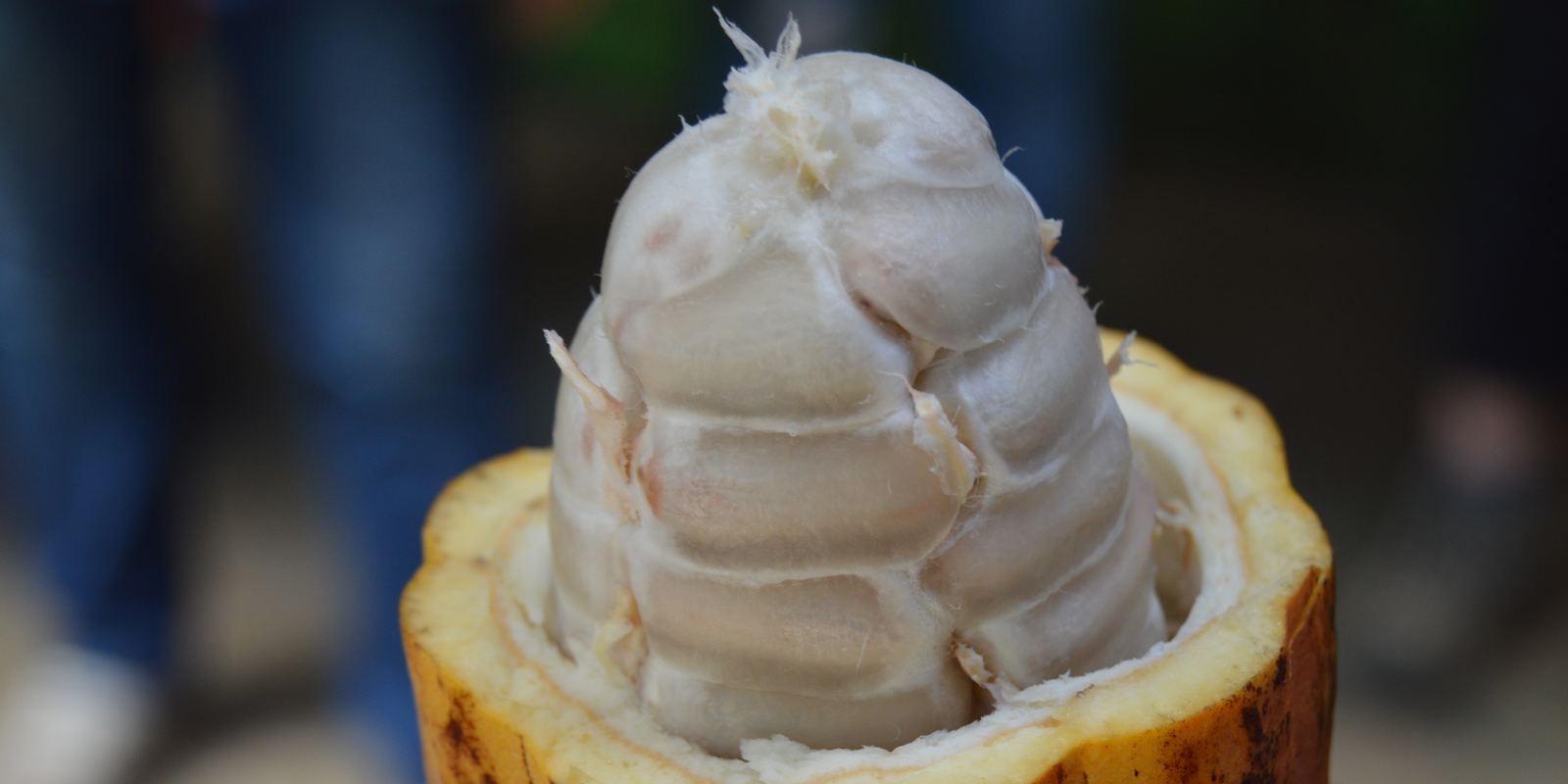
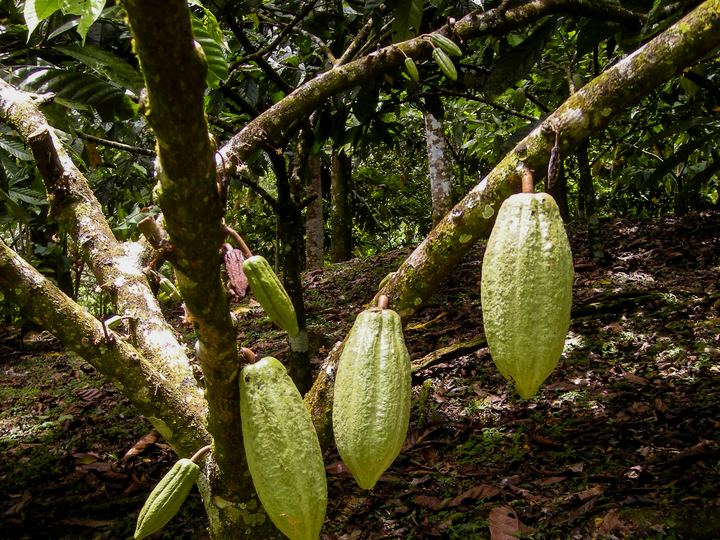
Inside a cacao pod, Costa Rica: Aude, CC BY-SA 3.0
One species, many types
All chocolate comes from one tree species, Theobroma cacao, native to the upper Amazon basin in South America. Over thousands of years people carried and planted it widely, and different populations developed different flavours, colours and hardiness.
The traditional three
Chocolate makers traditionally speak of three groups. Criollo, grown in Central America and Venezuela, has pale beans and delicate, nutty, low-bitterness flavour, but the trees are fragile and low-yielding, so it is rare. Forastero, the Amazonian group that includes the Amelonado grown widely in West Africa, is hardy and productive and supplies most of the world's cacao.
Trinitario is a hybrid that arose in Trinidad in the 1700s after many Criollo trees were lost, combining Criollo flavour with Forastero toughness.
Nacional and fine flavour
Ecuador's Nacional cacao, sometimes called Arriba, is famous for floral and fruity notes. Fine-flavour cacao, as defined by the International Cocoa Organization, makes up a small share of world production and earns higher prices. Peru, Ecuador, Venezuela, Madagascar and Caribbean islands are among the producers known for it.
What genetics says
In 2008 researchers analysed the DNA of hundreds of cacao trees and grouped them into ten genetic clusters, such as Amelonado, Criollo, Nacional, Contamana and Maranon. Many craft chocolate makers now name the origin, farm and genetics on the label, because the bean, along with fermentation and roasting, shapes the flavour as much as the recipe does.
From tree to flavour
Genetics is only the start. The same beans can taste very different depending on how long they are fermented, how they are dried, and how the maker roasts and conches them. A Trinitario from Tanzania and one from Trinidad may share ancestry but taste nothing alike. That is why craft chocolate tasting focuses on origin, maker and process together, much like wine or coffee.
Cacao grows only in a band about 20 degrees north and south of the equator, and most of the world's crop comes from small family farms rather than large plantations.
- Inside a cacao pod, Costa Rica: Aude, CC BY-SA 3.0
Text written by Chocolate Era.