How Switzerland Invented Milk Chocolate
Daniel Peter, Henri Nestle and friends. Milk chocolate was perfected in Switzerland in 1875 by Daniel Peter with Henri Nestle's condensed milk. Swiss pioneers, Toblerone and more.
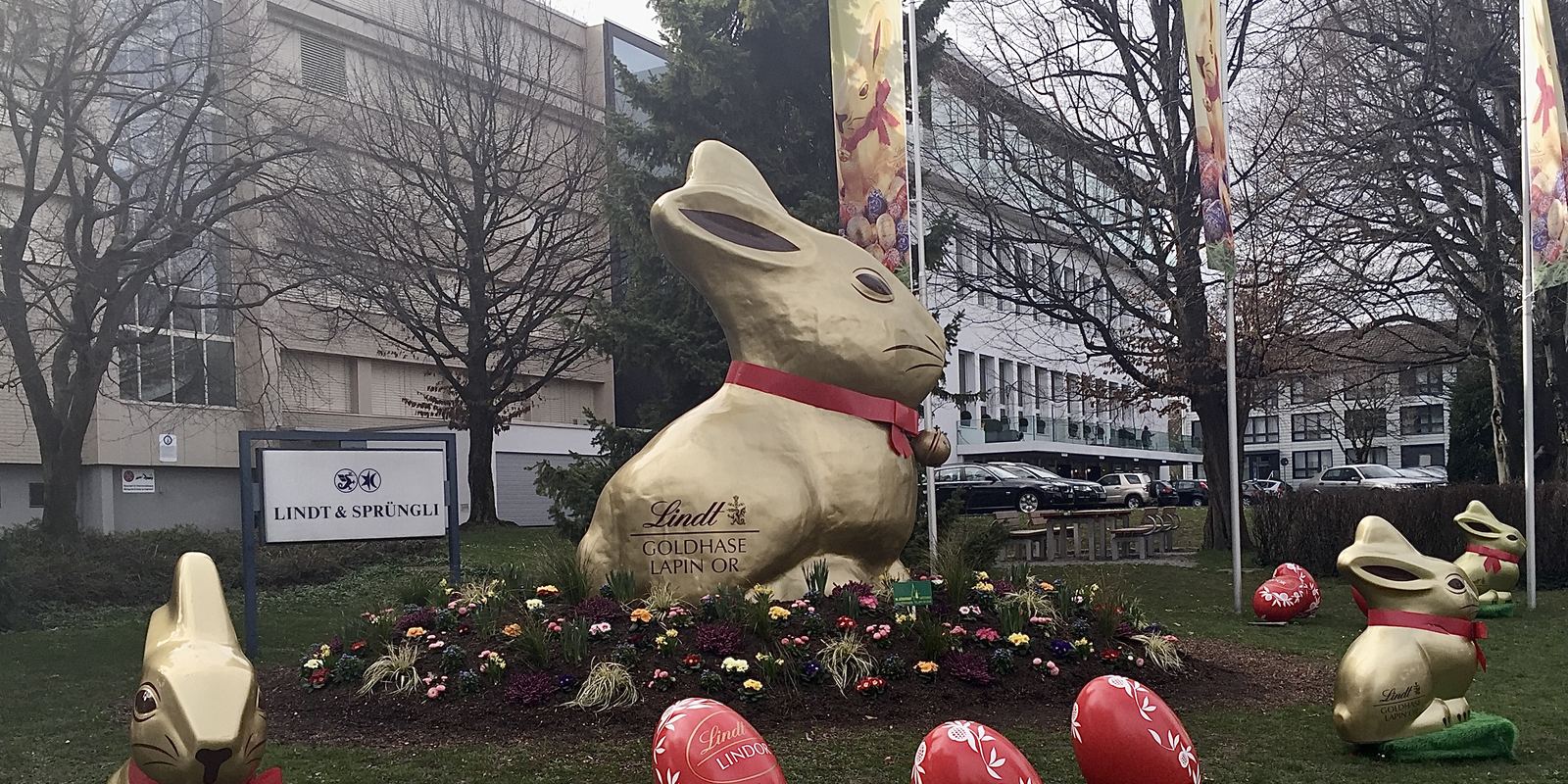
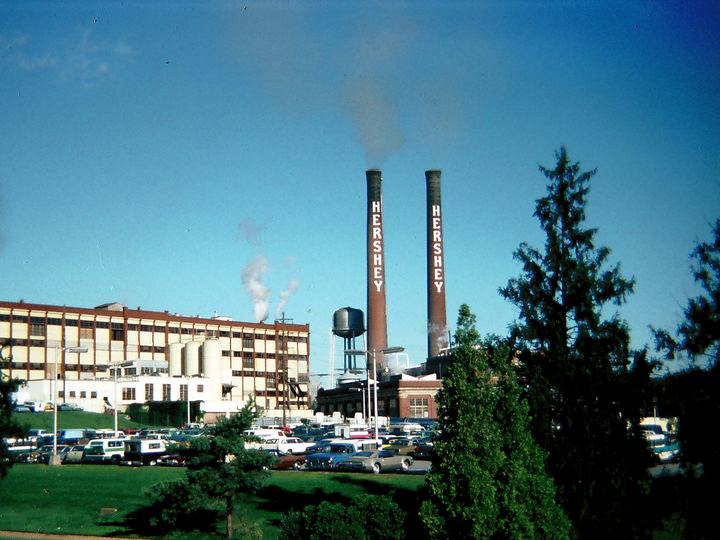
A chocolate factory at Kilchberg, near Zurich: Ank Kumar, CC BY-SA 4.0
The milk problem
Mixing milk into chocolate sounds simple, but milk is mostly water, and water makes melted chocolate seize and spoil. For years nobody could make a stable milk chocolate bar.
Daniel Peter's breakthrough
Daniel Peter, a chocolate maker in Vevey on Lake Geneva, married into the Cailler chocolate family. His neighbour Henri Nestle had developed a condensed milk product. After years of experiments, Peter combined chocolate with condensed milk and in 1875 produced a successful milk chocolate, launching it commercially a few years later. The companies' histories later intertwined with Nestle.
A golden age
Swiss makers quickly added more innovations. Rodolphe Lindt's conche in 1879 made chocolate smooth and melting. Philippe Suchard, Francois-Louis Cailler, Amedee Kohler and David Sprungli built famous brands. In 1908 Theodor Tobler and his cousin Emil Baumann in Bern created Toblerone, with its honey and almond nougat and triangle shape.
By the early 1900s, Swiss milk chocolate was exported around the world and set the standard others copied.
Switzerland today
Switzerland remains one of the world's biggest chocolate-eating countries per person, and chocolate is part of its national image. Visitors can tour chocolate museums and factories such as Maison Cailler in Broc and the Lindt Home of Chocolate near Zurich. The country grows no cacao, so every bean is imported.
Tasting Swiss style
Classic Swiss milk chocolate is known for being smooth, creamy and sweet, with strong dairy notes, the result of high-quality milk powder and long conching. Compare it with British milk chocolate, which often has a more caramel-like flavour from milk crumb, and American milk chocolate, which can have a slight tang. Tasting three side by side is a fun way to understand regional styles.
Did you know? Switzerland's chocolate industry relies on imported cacao and sugar but local milk, and the Alpine dairy image became central to its marketing in the late 1800s. Swiss makers also helped popularise chocolate as an energy food for hikers and skiers in the mountains.
- A chocolate factory at Kilchberg, near Zurich: Ank Kumar, CC BY-SA 4.0
Text written by Chocolate Era.